When sustainability and maintenance reach a higher level
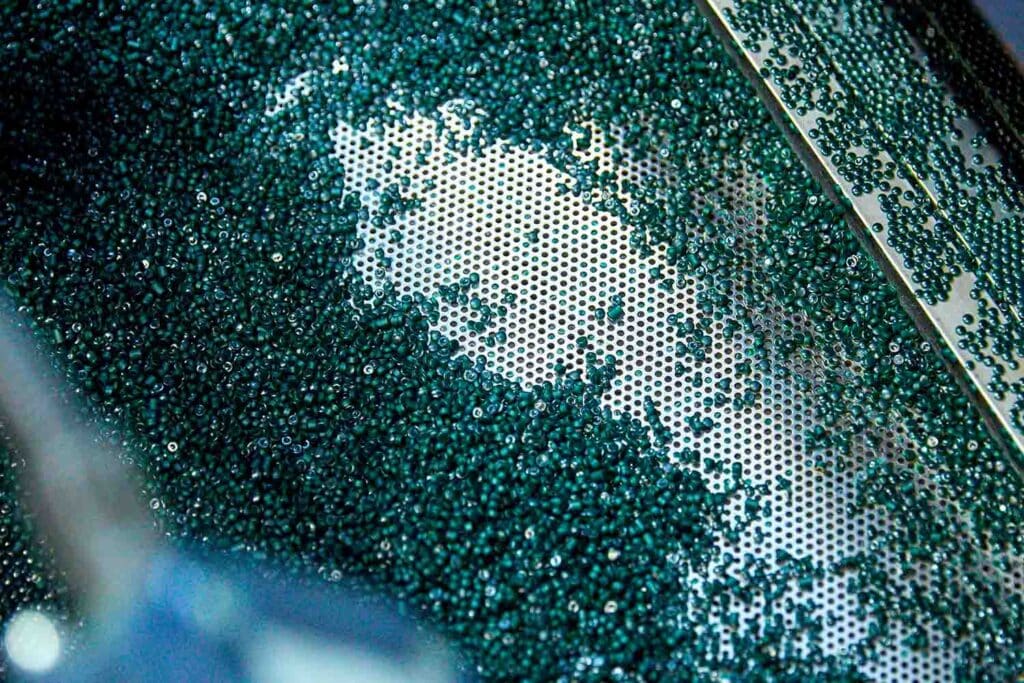
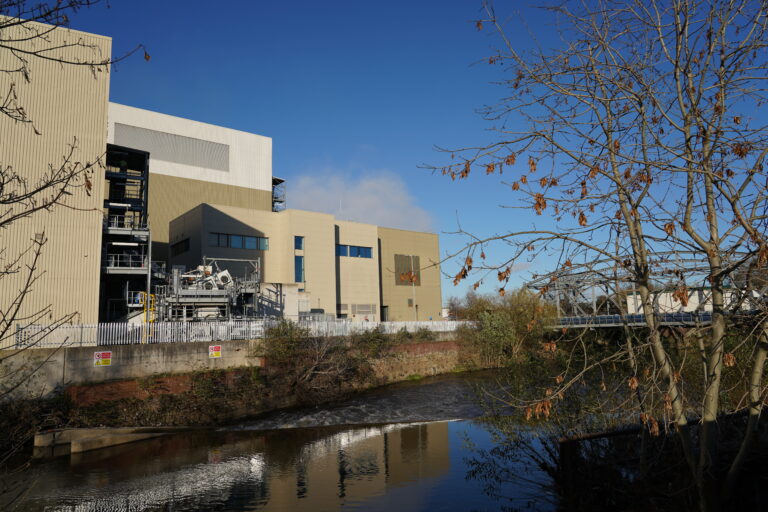
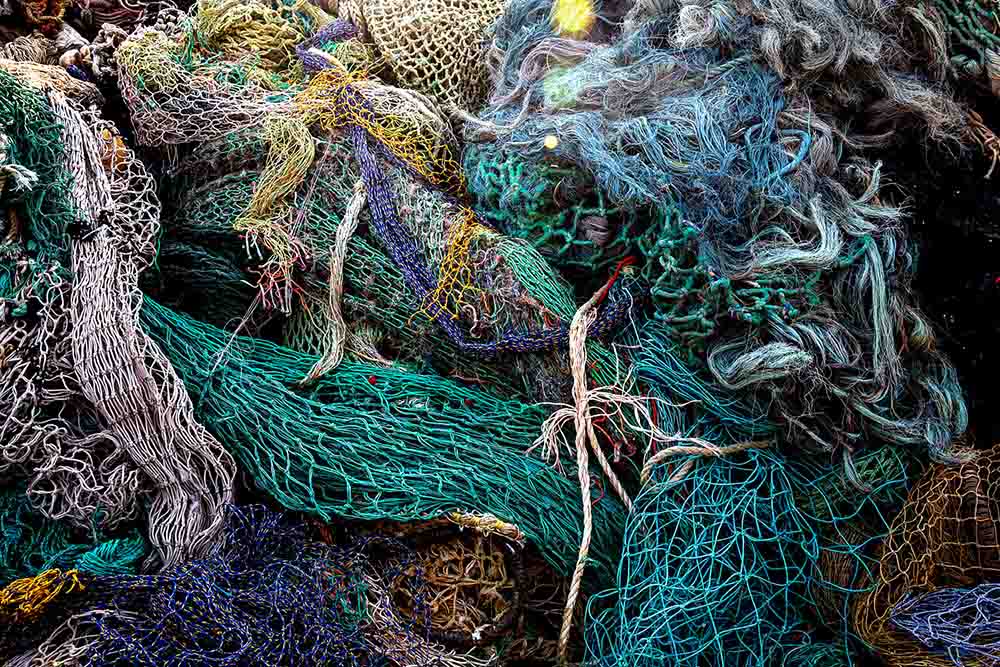
Out on the west coast of Denmark, in Lemvig, where fishing culture is still a vital part of everyday life, Plastix has made used fishing nets a mainstay of their business. Plastix is a clean-tech production company that converts used fishing nets into plastic granulate, which is used for furniture manufacturing.
With a vision of having a sustainable product and growing demand for Green Plastic, Plastix needs a thorough inventory overview and a stable production capacity that can handle the future demand.

Maintenance across departments
Plastix has a goal of having a production capacity of at least 36,000 tons of green plastic per year in Denmark. With such an ambitious goal, Plastix also needed to optimize internal processes. Some of the challenges to be optimized were smooth shift changes between colleagues and better planning of daily maintenance tasks. They also needed better handling of internal data and a structured overview of their spare parts inventory. It was also important that the system was user-friendly so that new colleagues could easily become a permanent part of the team.
Martin Jacobsen, Maintenance Manager:
“Due to growth, we needed a new tool to plan and structure maintenance. The implementation of INEXTIA has created a great advantage in our everyday work with our production lines, which ultimately means that we can avoid unnecessary downtime.”
Internal overview strengthens the team
The overall solution has been to digitize the processes both in terms of production line maintenance and data entry. Therefore, Plastix has set up their production lines in zones based on color codes. This way, everyone in the team always has a complete overview of where in production the maintenance task is located. Maintenance Manager, Martin Jacobsen says “Even the night and weekend team who are here a lot on their own find it easy to approach. It creates less doubt about how to handle maintenance tasks.”
Inventory management in particular has become easier with the INEXTIA Warehouse app. On the component, they can see which spare parts are needed and using QR codes, the item is scanned out of the warehouse. The inventory management module also contains information about the supplier, previous prices and number of items ordered. This makes it easier to reorder spare parts for the next time when all information is gathered in one place.
Analytics Reports
Plastix has been working with data entry in INEXTIA for about two years, which has provided a good basis for their internal knowledge sharing. With the help of monthly reports from Analytics, they get an overview of the top 10 components with the most errors, so they can be at the forefront of maintenance of these.
Once a week, a report is automatically sent out to the entire team so they can see what tasks have been completed the previous week. Everyone is then informed for the upcoming week.
Martin Jacobsen: “Once you have tried making the first 3-4 Analytics reports, it quickly becomes an easy part of the internal reporting and knowledge sharing, across departments.”
An Analytics report is also created when a component is replaced on the machines. This helps ensure that nothing is removed from the machine that needs to be retained. At the same time, information is stored in the history so they can calculate when the component should be replaced next time.
The setup of zones and the good routines with data entry have contributed to Plastix getting the total overview they wanted. They also got the team engaged in both the maintenance system and the app.
5 Quick facts about INEXTIA:
- Quick response from the project manager and support
- Overview of data history in Analytics
- Individual customization of modules to match our routines, not the other way around
- Easy involvement of colleagues outside of the maintenance team
- Flexible system for easy addition of new procedures