BWSC simplifies job scheduling with INEXTIA
BWSC is an international engineering and energy company with more than 40 years of experience in power generation and industrial energy plants. The company has delivered more than 180 power plants and green energy facilities to 50+ countries to date and operates a broad portfolio of baseload capacity including boiler, biomass, waste-to-energy and hybrid plants.
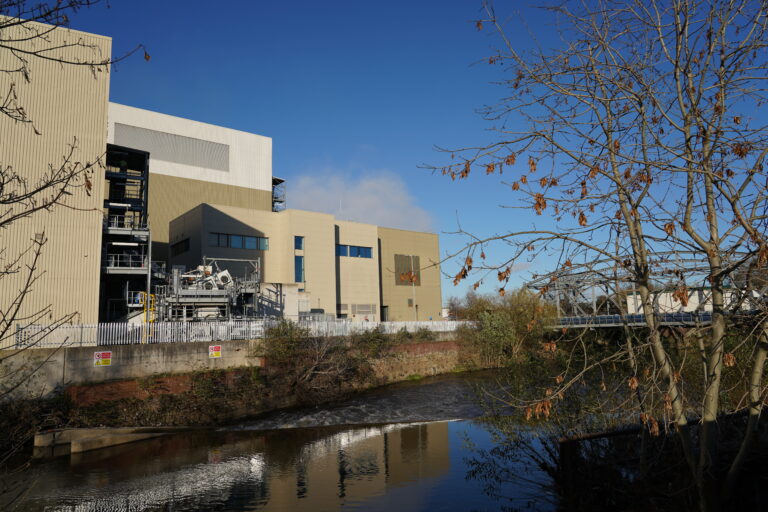
At their boiler operation in Templeborough, UK, BWSC uses INEXTIA to manage job scheduling and support structured maintenance execution. They use dashboards and analytics to track KPIs, create operational transparency and support data-driven decisions.

Balancing maintenance routines, priorities and follow-ups
BWSC handles a large amount of recurring maintenance tasks alongside corrective and ad hoc work. As these activities increased and ran in parallel, it became more demanding to maintain a consistent overview of ongoing work. This made daily prioritization more complex and sometimes led to work piling up unevenly, putting pressure on the stability and predictability of the maintenance workflow.
“The operations teams didn’t really know what was going on or what was required of them that day. It all escalated to a point where we suddenly had 20 tasks to complete in one day.” – Matthew Bradley, Plant Manager
Their maintenance activities involve both internal teams and external contractors. With multiple jobs running simultaneously, clarity around job ownership, execution status and remaining work could be challenging – making coordination difficult and increasing the risk of tasks being delayed or overlooked.
Monitoring maintenance performance was based on manual processes, which meant information was available too late to support daily decisions. As Matthew Bradley explains: “In the past, everything was manual and took hours or wasn’t done at all,” which limited BWSC’s ability to rely on timely performance insights.
“There’s a bigger cost to reactive work and having breakdowns at the back of not doing your routines.” – Nick Smith, Maintenance Manager
“There is a higher cost of reactive work and breakdowns as a result of not performing your routines.”
Nick Smith, Maintenance Manager
Create structure and predictability in job planning
To bring structure to daily maintenance work, BWSC implemented INEXTIA to plan and prioritize jobs across routine, corrective and ad hoc activities. Maintenance Manager Nick Smith prefers to use INEXTIA’s calendar view to visualize tasks over time and see how work is distributed across days and weeks. This makes it easier for him to balance workloads, plan capacity and reduce the risk of work piling up unevenly.
“It’s just really clear to see what tasks are being done every day and what kind of capacity planning you can do to make sure people are fully utilized.” – Nick Smith, Maintenance Manager
This gives BWSC a more consistent and predictable approach to job planning, while strengthening follow-up on outstanding work.
As part of this structured approach, they also gain visibility of tasks that remain open over time, making it easier to follow up. As Matthew Bradley explains: “Once a week we get an email telling us: this is what’s come in and hasn’t been processed. Then it gives us the opportunity to ask: why? Why haven’t we done anything with this after seven days?”
Results with INEXTIA
- Calendar-based scheduling across days and weeks
- Clear visibility of job status and resource capacity
- Systematic follow-up on open and overdue tasks
- Integrated fault handling directly connected to equipment
- Dashboards customized to the KPIs that matter most
Watch the full video case here
Clear daily direction and shift handover
This structured approach to job scheduling also supports the BWSC maintenance teams in their daily work. Each team member can see which jobs are assigned for the day, which tasks are already in progress, and which activities are still open and need to be processed.
This creates a common understanding between management and the teams doing the work and reduces uncertainty around daily priorities.
The same visibility supports a smoother shift handover as task status, responsibilities and remaining work are clearly visible to the next team taking over the shift.
“Now people know what to do when they come on shift: They do their shift handover, log into INEXTIA, and right away they know that we have these three tasks to do today. And crucially, if they don’t do one of the tasks, it’s so easy for them to postpone it, and that means the next team that comes on shift can see that they didn’t have time to do this and we have to prioritize that work.” – Matthew Bradley, Plant Manager
Structured error handling without lost tasks
As an added value of BWSC’s structured job planning and use of INEXTIA, fault management is fully integrated into the daily maintenance work. When faults are identified during inspections or ongoing activities, they are recorded directly in INEXTIA and linked to the relevant equipment.
Matthew explains: “One thing you can be quite vulnerable to is an error being put into the system and then being lost. Whereas now we get an automated email every day telling us what’s come in over the last 24 hours.”
“We need to see if the faults are critical to the plant and if we need to adjust the program. We can interrupt a schedule quite easily by fitting that fault in, allocating the resource and moving it into his weekly and daily program if necessary.” – Nick Smith, Maintenance Manager
By integrating defect reporting into daily work and job planning, BWSC ensures that identified issues remain visible, are prioritized appropriately and followed up systematically, reducing the risk of tasks being overlooked.
From manual reporting to data-driven performance tracking
Performance reviews and follow-ups are now based on execution data recorded as part of daily maintenance work rather than manual reporting. Analytics ensure that maintenance data is continuously available, while Dashboards give them the flexibility to determine how this data is presented and followed up.
They create their own custom dashboards focused on the data that matters most to their operations – making it easier to use live data to review performance and make daily decisions about priorities and resource allocation.
“Everything was manual before and took hours or wasn’t done at all. Whereas now you can extract so much data so quickly in such a presentable form. It reduces the amount of data management I have to do myself.” – Matthew Bradley, Plant Manager
“I am convinced that if we do the right routines, and INEXTIA of course has that in the actual program – most of our work will be planned and predictive rather than reactive.”
Nick Smith, Maintenance Manager
What’s next for BWSC
BWSC has come a long way in its use of INEXTIA in just six months, but it doesn’t stop there. With a solid foundation in place, the focus now shifts to building on what’s already working.
That foundation was established quickly. In an early in-person session with their project manager, the team received system training and access to a test database filled with their own data. What they expected to be a gradual onboarding resulted in immediate adoption and within 24 hours, BWSC was ready to go live.
“We were actually given a test database to use, and within 24 hours we contacted Lars and said: can’t we just go live straight away.” – Matthew Bradley, Plant Manager