What is a requirements specification?
A requirements specification is a document that outlines the functional and technical requirements for a system or solution. The purpose of a requirements specification is to ensure that both the supplier and the company have a shared understanding of what the system must be capable of, what integrations are necessary, and what performance expectations exist.
The pace of digital transformation is accelerating, and digitalization plays a crucial role in efficient operations and maintenance. A digital maintenance system like INEXTIA reduces workload, consolidates essential information in one place, and enables better oversight, faster response times, and more efficient planning.
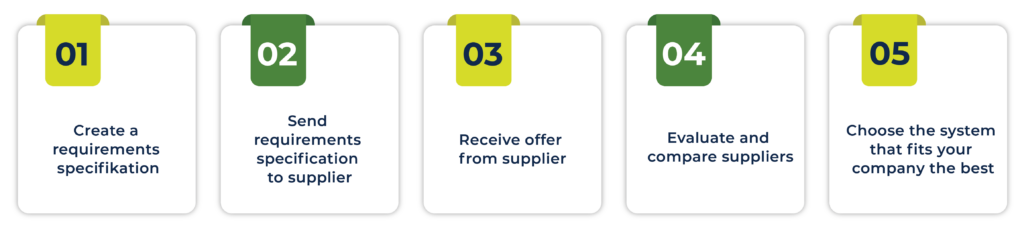
How to create a requirements specification for a Maintenance System?
When implementing a maintenance system, it is essential to know what requirements to set for a supplier. That is why it is a good idea to develop a requirements specification outlining the functional needs of the system.
A requirements specification provides an overview of the system’s necessary functions, required integrations, and key company demands regarding security, usability, and mobility.
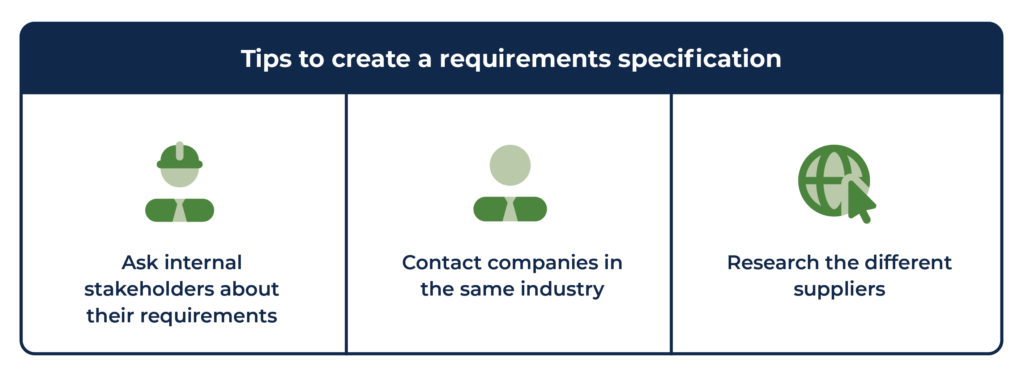
Tips for creating a requirements specification
Identifying key elements in a requirements specification for a maintenance system can be challenging. Internally, multiple stakeholders from different departments often have unique requirements.
Common stakeholders and their needs could be:
- IT manager’s requirement for server and cloud solutions
- CEO: Need for receiving KPIs in their inbox
- CFO: Integration with financial systems
- Operation manager’s requirement for a simple system
- Maintenance Staff: Mobile-friendly and intuitive routines
Additionally, it is beneficial to look externally and reach out to other companies in your industry. Visiting similar businesses can provide valuable insights into their systems, requirements, and implementation experiences.
Research the market with a simple Google search for “maintenance system,” and you will find a selection of potential providers. Explore their websites to get an impression of available solutions and features.
Organize your Maintenance System requirements into key categories
A structured requirements specification makes it easier to evaluate and compare different systems. Your specification should incorporate input from internal stakeholders, external companies, and your own research.
You can categorize requirements as follows:
- Technical requirements: Should the system be cloud-based? How will security be managed?
- Functional requirements: What features should the system support? Should it handle preventive maintenance?
- Usability: Should it be mobile-friendly? How important is an intuitive interface?
- Reporting and data: What reports and analytics are necessary?
Additionally, dividing requirements into must-have and nice-to-have categories helps clarify essential needs versus optional features. For many companies, it’s crucial that the system is user-friendly, accessible across platforms, and that the provider manages all technical maintenance to minimize IT workload.
With INEXTIA, you get a cloud-based maintenance solution that requires minimal training, eliminates the need for internal IT administration, and ensures access to your data anytime, anywhere.
Requirements specification template
To help you get started, we have created a template for a requirements specification that you can use as a foundation.
| Kategori | Beskrivelse |
|---|---|
| Introduktion | Hvorfor skal systemet implementeres? Hvilke afdelinger og funktioner skal det dække? Hvem har en interesse i systemet, og hvad er deres krav? |
| Funktionelle krav | Planlægning og udførelse af vedligehold Håndtering af fejlmeldinger og akutte reparationer Lagerstyring af reservedele Dashboard og rapporteringsmuligheder |
| Teknologiske krav | Webbaseret løsning eller on-premise Mobilvenligt interface Integration med andre systemer |
| Implementering | Uddannelse af medarbejdere Dataoverførsel fra tidligere systemer Support |
| Økonomi | Prisstruktur (abonnement vs. engangsbetaling) |
What is the best approach for implementing a Maintenance System?
Once your organization has decided to implement a maintenance system, having a structured approach is key to a successful rollout.
- Define goals and success criteria: Why are you implementing the system? Is it to reduce downtime, optimize resource use, or improve documentation?
- Choose the right supplier: Use your requirements specification to compare providers and select the solution that best fits your needs.
- Involve the right employees: Ensure that all relevant stakeholders participate in the process so the system aligns with business needs.
- Training and education: A successful implementation depends on employees’ understanding how to use the system effectively.
INEXTIA supports you in getting the most out of your maintenance system, offering training, data migration, support, and third-party software integration.
Article
Implementation of Maintenance System
This article is for you who works in an operation and maintenance department and is about to
implement a new maintenance system.
See more